
The horse breeder of the future: looking beyond the foaling season
It’s autumn. Out in the field is the foal you so carefully chose a stallion for the previous spring. You looked forward to the birth, spent nights on foaling watch and enjoyed those first little canters beside the mare. Now your foal is old enough to leave for a new home.
Only, that new owner hasn’t come along yet.
There have been enquiries. People have asked for details, watched a video or discussed the price. But none of it has led to a sale. Meanwhile, winter is approaching, stable space is needed and the bills keep coming.
It’s a difficult position for a breeder. You want a good home for your foal and a fair price that reflects what you have bred and invested. At the same time, the pressure to sell starts to build.
For me, this is where the story of the horse breeder of the future begins.
What we can no longer take for granted
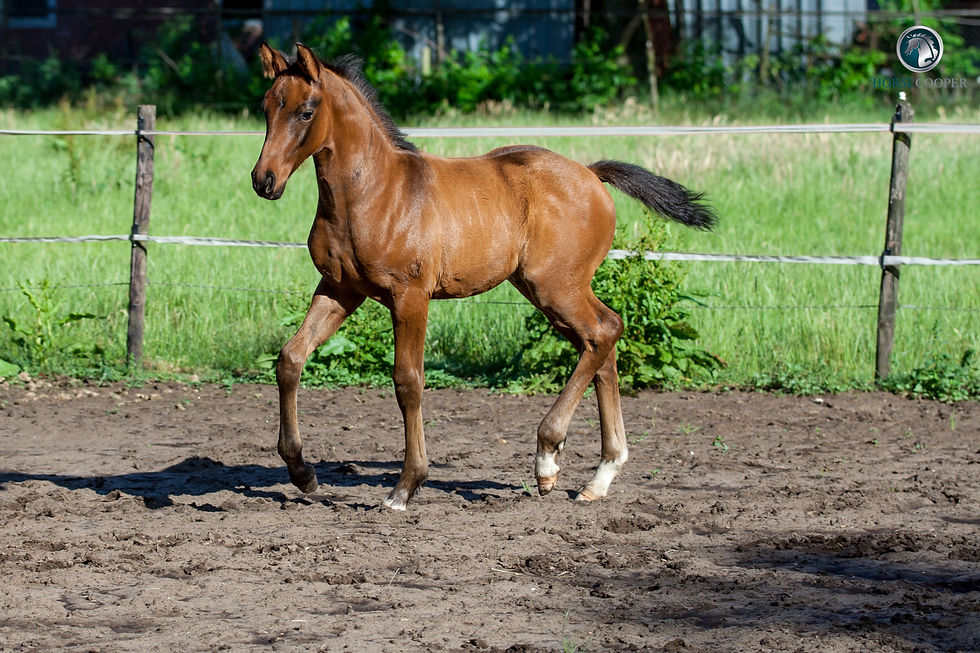
Change in horse breeding seems to be gathering pace. Looking further ahead is becoming increasingly important, particularly for small-scale breeders.
Feed, bedding, veterinary care, farriery, stud fees, youngstock rearing and transport all add up. In the Netherlands, the VAT increase introduced in 2025 on items and services including livestock feed, straw and youngstock rearing has added directly to the costs of breeders who cannot reclaim VAT.
The impact may differ for VAT-registered businesses, but those bills still need to be paid.
At the same time, many breeders are finding it harder to sell. They are not alone in that experience. In a Horses.nl survey published in late 2024, 43 per cent of more than 1,100 respondents said they had fewer mares in foal for the 2025 season than in previous years.
Rising costs and a more difficult market for foals were among the reasons frequently mentioned.
Buyers also look beyond the purchase price. Buying a foal means committing to years of care, rearing and training before discovering how that horse develops under saddle.
It is understandable that some buyers prefer a young horse that has already completed part of that journey.

The most important decision comes before breeding
I expect a breeder’s ability to cope with setbacks will depend less on how quickly a foal sells and more on having a workable plan if it doesn’t.
That starts before the mare is covered or inseminated.
What happens if the foal is still with you next autumn? Is there a suitable place for it to grow up? Do you have the space and budget for another year, or several years, of care, veterinary assessments and training? And what if last year’s foal hasn’t sold either?
An empty space in the field is easily filled. But every new foal brings a commitment that may last for years.
Breeding one fewer foal can therefore be a carefully considered decision. It gives you more room, both practically and financially, and reduces the risk of having to sell below cost simply because you have run out of options.
I believe breeders will increasingly base their breeding decisions on how many young horses they can responsibly keep if they remain unsold.
That offers no guarantee of a financial return. It does give you more freedom to consider an offer and find the right owner.
A broader view of quality
Breeding fewer foals does not automatically mean breeding better ones. The decisions behind those foals matter too.
An interesting pedigree and impressive movement remain valuable. But eventually, someone will ride that horse. That is when other qualities become just as relevant.
How does the horse respond to something unfamiliar? Can it settle after becoming tense? Does it understand what the rider is asking? Is it comfortable being groomed, handled and transported?
For me, soundness, temperament and rideability will carry even more weight. Alongside sporting ability, we need to consider what kind of rider the horse is likely to suit.
Many riders are not looking for an international prospect. They want a sound horse they can enjoy training, take to competitions and ride out safely. Breeding horses for those riders also requires thoughtful choices.
A good amateur horse is a breeding goal that deserves care and selection.
An unsold foal needs a plan
An unsold foal does not mean you have failed. It may simply mean taking a different route to finding the right home, provided you have made that route possible.
Whether the foal grows up at a youngstock rearing farm or stays with the breeder, the essentials are the same: suitable companions, plenty of turnout and free movement, appropriate nutrition and time to develop. As a breeder, you remain involved and follow its progress, both physically and in temperament.
Young horses do not all show their qualities at the same stage. An eye-catching foal may mature differently from what you expected. A less spectacular youngster may develop into a lovely, well-rounded riding horse.
Following them over several years also teaches you to look differently. Their development tells you more than a single photo or video session on a sunny summer’s day.

Taking stock at around two and a half to three years old
Another opportunity to assess the young horse may come at around two and a half to three years of age. Depending on your plans, you and your vet may decide that a clinical examination and X-rays would be useful.
The findings can help you decide whether, and how, to invest in the next stage.
They do, however, need careful interpretation. An X-ray finding does not automatically make a horse unsuitable for sport. Its nature and location, the horse’s clinical condition and the intended use all need to be considered together. Equally, X-rays showing no significant findings cannot guarantee a trouble-free future.
More serious findings can leave a breeder facing difficult decisions. A horse may be unsuitable for its intended sporting career but still comfortable in a less demanding role. Some mares may be suitable as foster mares or embryo recipients, provided their health and welfare allow it.
Further investment in training may no longer be justified. Selling at a loss, with full disclosure of the findings, may offer a suitable way forward. When no appropriate home or role can be found, euthanasia or slaughter may also enter the discussion. This is a painful side of breeding that people rarely want to talk about.
Keeping a horse at pasture for the rest of its life may sound like a good solution, but it requires suitable accommodation, care and funding for many years. As an illustration, €3,000 a year adds up to €90,000 over thirty years, before unexpected expenses or rising prices. That kind of long-term commitment is beyond what many breeders and owners can afford or are willing to take on, particularly when several horses are involved.
These difficult possibilities also deserve consideration before breeding. Both the breeder’s resources and the horse’s quality of life and future welfare need to be part of that decision.
Other findings may still allow for training or sale, with full disclosure of the available information.
The question remains: what is a responsible way forward for this horse, and can the breeder provide it? Selling a horse with serious health problems without a realistic plan for its future can leave it moving from one owner to another. That can bring heartache and expense, while the horse repeatedly has to adjust and may not receive the care it needs.
When careful consideration with the vet shows no realistic prospect of an acceptable quality of life, I believe a peaceful end can be the kindest choice. However sad that is, especially for a young horse.
From homebred foal to a horse someone enjoys riding
A horse considered suitable for further training may initially be offered for sale before being started under saddle. If it remains unsold, backing may be the next step, once it is physically and mentally ready.
This begins a stage that I believe will become increasingly valuable for breeders.
Under saddle, you learn how a horse responds to training, handles tension and develops trust in its rider. You can also better assess its balance, willingness to work and ability to settle after a new experience.
A carefully paced introduction to ridden work, followed by gradual training through the four- and five-year-old years, can tell a breeder much more about the horse they have bred. It gives the horse time to gain experience and confidence.
Those ages should never become deadlines. Some horses need more time than others. Rest, turnout and quieter periods are all part of a thoughtful training programme.
Keeping a horse longer only adds value when that time is used well, with training suited to its ability, pace of development and individual needs. That means being prepared to invest in the right rider and support.

Breeders do not have to do everything themselves
Not every breeder can or wants to ride young horses. Being a good breeder does not necessarily make you the right person to train an inexperienced horse.
I expect partnerships to become even more important: with a young rider who takes time to develop a horse, a suitable training yard or a sales yard that can reach the right buyers.
Talent alone is not enough. Patience, support and experience with young horses matter just as much.
A good partnership starts with clear agreements about costs, progress reviews, the sale and how any proceeds will be shared. It should also cover what happens if the horse needs more time or takes longer to sell.
This allows the breeder to stay involved while placing the horse’s daily training in capable hands.
The most valuable feedback may come years later
One of the benefits of staying involved is what you learn for future breeding decisions.
You see the results of your choices in everyday work, as well as in conformation and movement.
Perhaps a mare consistently produces horses that learn easily and enjoy working with their riders. Or perhaps a similar physical weakness or training difficulty appears in several of her offspring.
Those observations can inform your next stallion choice. They can also help you decide which mares to continue breeding from.
We do need to be fair in how we interpret them. Rideability develops through a combination of natural ability, health, rearing, handling and training. One difficult youngster does not prove that a mare passes on undesirable traits. Recurring patterns across several offspring raised and trained in different circumstances do, however, deserve attention.
The more you learn from following your homebred horses, the better informed your future decisions can be.
Keeping horses longer must also make financial sense
There is a financial limit to all of this. A horse does not automatically become profitable simply because it is older and further along in its training.
Every month brings costs, alongside the risk of injury, slower progress than expected or a sale price that fails to cover the total investment.
Breeders will need to keep reviewing the figures. What will the next six months cost? What progress can we reasonably expect? And is that investment still appropriate for this horse and within our means?
Sometimes accepting a lower price is a sensible decision. What matters is being able to make that choice thoughtfully, without a shortage of space or funds forcing your hand.
Choosing not to breed for a year can also be a good breeding decision.
Thinking ahead to the horse someone will ride
I believe small-scale breeders will continue to have a valuable place. Their personal attention, knowledge of their mares and involvement with the offspring can make a real difference.
But we will need to look beyond the next foaling season.
From choosing a stallion to raising a youngster. From rearing to training. And from those first rides back to the next breeding decision.
To me, the horse breeder of the future is someone who carefully considers how many foals to breed, makes room to keep and develop them for longer, and works with others when needed.
Someone who looks at a newborn foal and already thinks about the rider who will one day enjoy riding that horse.
Sabine Smit


Opmerkingen